The Breakfast Delay That Helps Your Iron Do Its Job
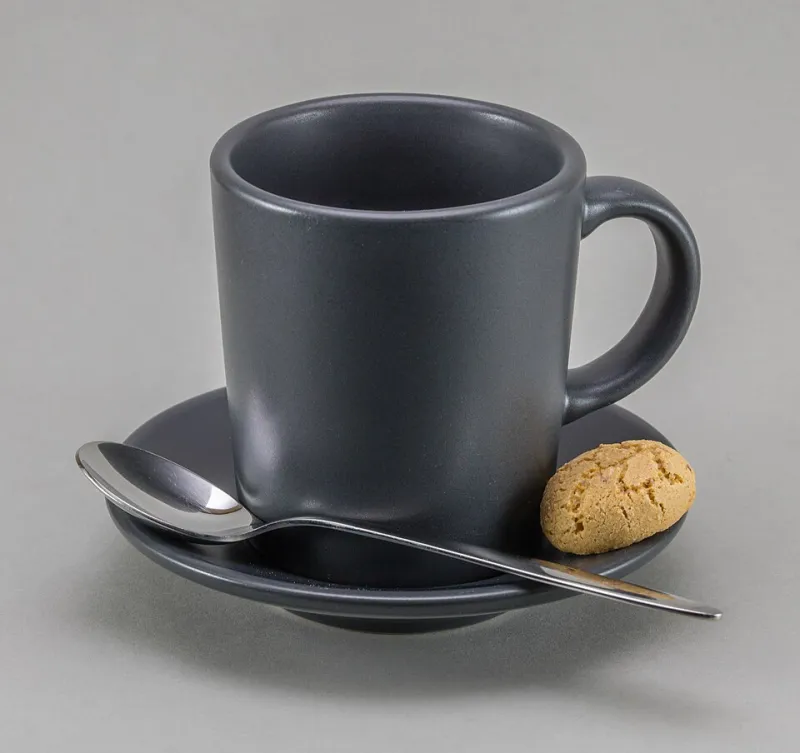
Photo: Friedrich Haag, CC BY-SA 4.0, via Wikimedia Commons
Coffee is one of those morning rituals that feels nonnegotiable. It wakes up the kitchen, signals the start of the day, and makes a bowl of oatmeal feel more official. But if you are trying to get more iron from plant foods, that same cup deserves a little scheduling thought. The issue is not that coffee is bad for you. It is that coffee and tea contain compounds that can tie up iron in your digestive tract, making some of it harder for your body to use. The fix is not a ban. It is a buffer.
The short version: iron has two lanes
Your body handles iron from food in two broad ways. Heme iron comes from animal foods like beef, poultry, and fish and is generally absorbed more easily. Non-heme iron comes from plants and fortified foods, such as lentils, beans, tofu, spinach, oats, and fortified cereal, and it is more sensitive to what else is on the plate. Coffee and tea are rich in polyphenols and tannins, which can bind non-heme iron and reduce absorption. That does not mean your breakfast is worthless. It means the coffee is competing for attention.
What the research suggests without the hype
Studies have found that drinking coffee or tea with a meal can lower iron absorption, especially from plant sources. The size of the effect varies from person to person and depends on the brew, the dose, and how much you sip over time. Decaf is not automatically off the hook, either, because the polyphenols are still there. This is why the useful advice is not never drink coffee. It is give it some space.
The one-hour buffer
The practical habit is simple: put roughly an hour between your iron-rich breakfast and your coffee or tea. Eat first, then brew. Or if coffee comes first, wait about an hour before your iron-rich meal. For most people, breakfast-then-coffee is easier because it does not require skipping the ritual, just delaying it. Think of it as plate first, cup later. If you truly cannot wait, keep the cup smaller and make sure the meal has a vitamin C source. What you want to avoid is sipping coffee through breakfast and into midmorning while the meal is still doing its work.
Make the meal do some of the work
Vitamin C is the friend of non-heme iron. It can help counter some of the inhibitory effect of coffee and tea, and it is easy to add at breakfast. Try orange segments with oatmeal and pumpkin seeds, fortified cereal with strawberries, a tofu scramble with tomato salsa, or a bean breakfast burrito with bell pepper. These are not fancy fixes. They are small additions that make the meal more iron-friendly. If you take a calcium supplement, ask your clinician or pharmacist about timing, since calcium can also compete with iron. A splash of milk in coffee is unlikely to be the main issue, but a large supplement is a different story.
Who should ask before tweaking
Timing is a helpful habit, not a diagnosis. If you have been diagnosed with iron deficiency or anemia, are pregnant, have heavy periods, follow a vegan or vegetarian diet, have celiac disease or inflammatory bowel disease, donate blood often, or feel persistently fatigued, talk with a clinician. Do not use a coffee-timing trick to self-treat symptoms. Blood tests matter, and so does the cause of low iron. If you take prescribed iron, ask your pharmacist about spacing it from coffee and tea. Many labels suggest separating them by a couple of hours, not just one, so follow the instructions you were given.
A week of plate-first coffee
Try this for seven days: set the table, eat breakfast, then make the coffee. If you are the kind of person who needs coffee the second your feet hit the floor, start with a glass of water, have breakfast, and save the cup for midmorning. You do not need a scorecard. The goal is not perfection. It is making the better choice the default choice. If you forget one morning, no guilt. The next meal is a new chance.
The bottom line
Coffee can stay. For people leaning on plant-based iron, the smart move is to give coffee and tea about an hour of distance from an iron-rich breakfast and to add a vitamin C food to the meal. That is a small habit with real science behind it. Keep the ritual, adjust the order, and let your breakfast do its job.