Your Fork Has a Brake: A Seven-Night Experiment in Slower Dinners
Most weeknight dinners in the US have a speed problem that has nothing to do with how fast you cook. You sit down, answer one kid question, remember an email, and suddenly the plate is empty. This seven-night experiment is a low-stakes way to interrupt that autopilot: put your fork down between bites and pay attention to fullness before the meal ends. No apps, no chewing counts, no lecture about mindful eating.
The brake, not the ballet
The move is simple. After each bite, set your fork or spoon on the plate. Chew and swallow. Pick it up again when you are ready for the next bite. You are not trying to eat in slow motion or turn dinner into a meditation class. You are adding a physical pause to a habit that usually runs on momentum. A fork resting on the plate is a visual cue that says: there is no race here.
This matters because pace is one of the few eating behaviors you can adjust without overhauling your grocery list. You do not need a new recipe or a calorie tracker. You need a utensil and a place to put it down.
Why dinner is the test lab
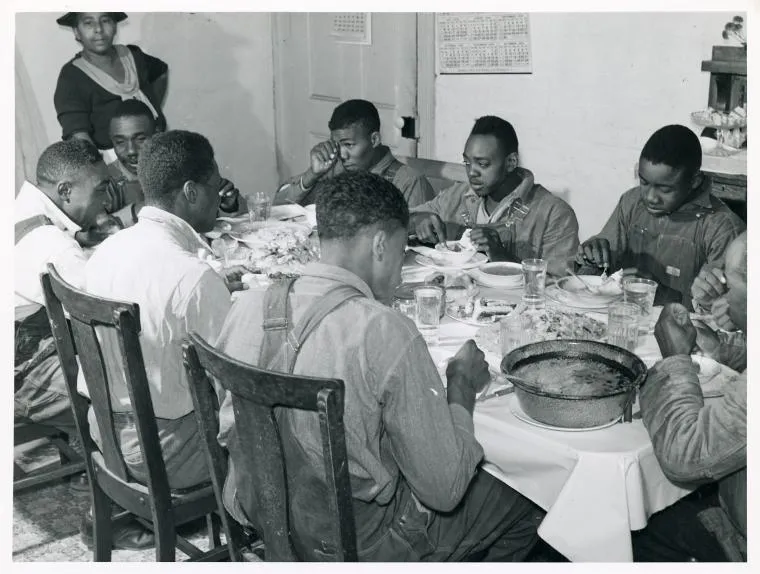
Breakfast is often a grab-and-go situation, and lunch may happen at a desk. Dinner is the meal where many households actually sit down, even if the sitting down is brief and interrupted. That makes it a good place to practice a pacing cue. It is also the meal most likely to end with second helpings, a quick dessert, or the vague sense that you ate faster than you meant to. The goal is not to make dinner precious. The goal is to give your body a little more time to register what is happening.
What the research suggests
Fast eating has been linked in observational studies to higher energy intake and weight gain, while slower eating is often associated with greater fullness and lower intake at a meal. Small trials have found that slowing the pace can affect appetite hormones and how satisfied people feel, though the effects are modest and vary from person to person. In other words, this is not a magic trick. It is a reasonable pacing habit with plausible biology behind it. Chewing and swallowing give the gut time to send signals, and those signals can influence whether you want more food. The fork-down pause simply builds a little space for that conversation.
The seven-night plan
Pick one weeknight dinner and treat the first night as your baseline. Eat as you normally would and note roughly how long the meal takes and how full you feel before and after. On nights two through seven, use the fork-down cue. Keep everything else the same: same table, same plate, same food. If you usually eat takeout on Thursday, Thursday is still takeout.
A few ground rules:
- Set the fork down after every bite, even the last one.
- Chew and swallow before you pick it up again.
- Do not count chews or time yourself with a stopwatch.
- Take a sip of water if you want one, but do not force it.
- If conversation takes over, just reset at the next bite.
- Skip the experiment at restaurants or holiday meals if it feels awkward.
Aim for a meal that takes a little longer than usual, not a meal that lasts forever. If your food goes cold, that is a sign to adjust the environment, not to abandon the idea. Warm your plate, serve the hot parts last, or use the cue for the first half of the meal only.
The 20-second tracker
You do not need a spreadsheet. A note on your phone or a scrap of paper is enough. Rate fullness from 1 to 10, where 1 is empty and 10 is uncomfortably full.
| Night | Dinner | Fork-down? | Rough minutes | Fullness before | Fullness after | One note |
|---|---|---|---|---|---|---|
| 1 | Baseline | No | ||||
| 2 | Yes | |||||
| 3 | Yes | |||||
| 4 | Yes | |||||
| 5 | Yes | |||||
| 6 | Yes | |||||
| 7 | Yes |
The note can be as simple as faster than I thought, noticed fullness earlier, or cold food by the end. Patterns matter more than perfect numbers.
What you might notice
Some people find that fullness arrives before the plate is empty. Others notice they were eating past comfortable fullness simply because the fork kept moving. You might also notice that the pause makes dinner feel longer, which can be good or annoying depending on the night. Both responses are useful data. The point is not to declare yourself a slow eater. The point is to find out whether a small pause changes what you notice.
Troubleshooting the real world
If dinner is chaotic, use one anchor: fork down for the first five bites. If you have hungry kids or a tight schedule, start with the protein and vegetables on your plate, then use the pause for the rest. If you live alone, the silence can feel strange, so pair the pause with music or a podcast. If you have a history of disordered eating, food rules can be unhelpful, and this experiment may not be right for you. Talk with a qualified clinician instead.
The point of the week
At the end of seven nights, keep the smallest version that works. Maybe that is putting the fork down between bites for the first half of dinner. Maybe it is a two-minute pause before second helpings. Maybe it is just noticing fullness before the plate is clean. The fork is not a diet tool. It is a brake. And a brake is only useful if you know when to tap it.