Sticker, Shelf, Timer: The Fridge System That Ends Leftover Roulette
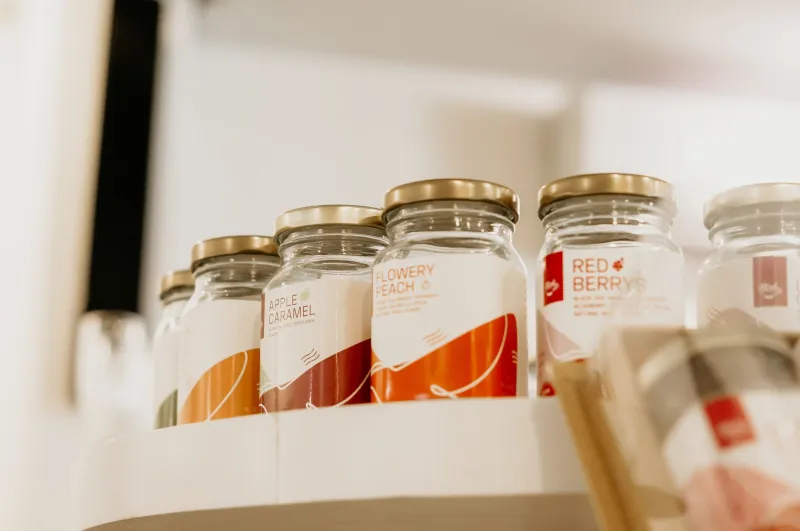
Thanksgiving leftovers have a way of turning the fridge into a museum of foil lumps. By Friday, every container is a mystery, and the sniff test starts doing work it was never meant to do. The fix is not a spreadsheet or a color-coded masterpiece. It is three stickers and a quick shelf check - a system simple enough to survive a house full of guests.
The two-hour clock starts before the pie
Your first job after the meal is not to stack every dish into the fridge as-is. Perishable food should get cold within two hours. If the room or porch is above 90°F, cut that to one hour. That means turkey, stuffing, gravy, casseroles, dairy desserts, and anything with meat or eggs need to move along.
Set a timer when the food comes off the table. Large pots are the enemy of cooling. Split stuffing, mashed potatoes, turkey, and casseroles into shallow containers. A big pot of soup can sit in the fridge and still be warm in the middle hours later. If you have a lot, use an ice bath in the sink, stir, then refrigerate. Leave containers uncovered until steam stops, then seal them.
This is also the moment to check that your fridge is actually cold. Aim for 40°F or below. A fridge that feels cool is not the same as a fridge that is holding a safe temperature.
Where leftovers should actually live
Fridge temperatures vary more than most people think. The door is the warmest spot, which is why it is a bad home for leftover gravy, turkey, or anything you plan to eat later. The bottom shelf and the back of the fridge tend to be coldest. Keep cooked leftovers on a middle or upper shelf, tightly covered, where you can see them. Raw meat, poultry, and seafood go on the bottom shelf in a tray or on a plate so drips cannot land on ready-to-eat food. The crisper is for produce, not for stuffing.
Do not overload the fridge, either. Cold air needs room to move. If the shelves are packed like a game of Tetris, some food may not cool evenly.
Three stickers, three jobs
Use plain dot stickers, painter tape, or a label maker. Write the date, not the day of the week. Put the sticker on the lid, not the side, so you can read it without lifting the container.
Sticker 1: COOKED. Write the date the food was cooked. Most cooked leftovers are best within three to four days. Gravy and broth are shorter - think one to two days. Stuffing, turkey, ham, and casseroles generally get three to four days. If you will not eat it by then, freeze it on day three rather than waiting until day five.
Sticker 2: OPENED. Use this for jars, tubs, and cans transferred to containers. Mark the date you opened it. Follow the package guidance for refrigerate-after-opening and use-by timing. If the label gives no guidance, keep it short and do not let opened sauces, dairy, or dips become science projects. The opened sticker stops the I-think-this-was-here-before-Halloween debate.
Sticker 3: EAT BY. Write the actual date, calculated from the cooked or opened date. Make it large. This is the sticker you check first. If you cooked on Thanksgiving Thursday, a Sunday or Monday eat-by date is a reasonable line for most cooked dishes. Gravy should be earlier. The eat-by sticker is not a suggestion to push. If it is past, toss it. The cost of a container of stuffing is lower than the cost of a night in the ER.
The sniff test is not a safety test
Smell and sight can catch some spoiled food, but they cannot reliably detect the bacteria that cause foodborne illness. If something has mold, sliminess, or an off odor, discard it. If it passes the look-and-sniff test but sat out too long or has no date, do not gamble. The sticker system exists because memory is unreliable when the fridge is full and the week is busy.
Reheat like you mean it
Reheat leftovers to 165°F throughout. Use a food thermometer for anything thick, like a casserole or a piece of turkey. In the microwave, cover the food, stir halfway through, and let it stand for a minute before checking the temperature. Sauces, soups, and gravy should come to a rolling boil. Reheat only what you plan to eat, and do not reheat the same container twice.
A five-minute Friday fridge audit
Before Black Friday shopping or a weekend of movies, open the fridge and read the stickers. Toss anything past its eat-by date. Move the oldest containers to a visible eat-me-first shelf or bin. Wipe one shelf. Freeze what you will not finish. Then put any new leftovers in shallow containers and sticker them before they join the foil-lump museum.
The system is supposed to be boring. Three stickers, one thermometer, and a quick shelf check are not glamorous, but they make the safe choice the easy choice. That is the whole point: fewer mystery containers, fewer wasted meals, and a fridge that tells you what to do instead of making you guess.