The Seatback Ankle Reset: A Two-Minute Circulation Break for Holiday Flights
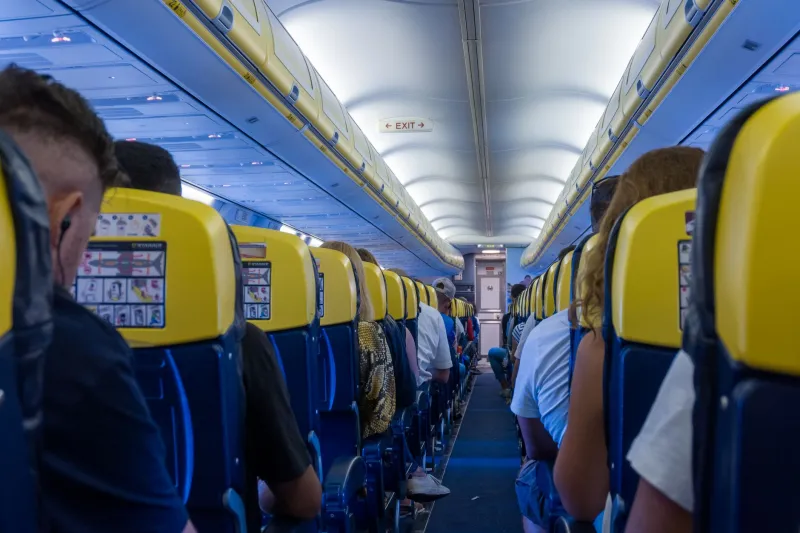
Holiday air travel has a special way of turning a simple trip into a long sit. You hustle through the TSA line, wedge a carry-on into the overhead bin, settle into seat 23B, and then wait. And wait. By the time the snack cart appears, your calves may feel like they belong to someone else.
A short, seated routine can give your lower legs a useful break. It will not erase a four-hour delay, prevent every travel ache, or replace medical care. What it can do is nudge the muscles that help move blood and fluid out of your feet and calves, so they do not spend the whole flight in idle mode.
Why your ankles notice a long flight
Your calf muscles are not just for walking. When they contract, they squeeze the deep veins in your lower legs and help push blood back toward your heart. In plain language, they act a bit like a second pump for the legs. Sit still for hours, and that pump gets very little work to do. Blood and fluid can pool, which is one reason ankles feel puffy and calves feel tight after a long trip.
Cabin conditions can add to the sensation. Air travel often means dry air, salty snacks, alcohol, and long stretches without much movement. Holiday flights can be crowded, too, so you may be less likely to get up and pace the aisle. None of that means every stiff ankle is dangerous. It does mean your lower legs deserve a little attention before they start complaining.
The two-minute reset, gate version
If you are waiting at the gate and have a bit of floor space, use it. Stand near a wall or seatback if you want a little balance support.
Start with 20 slow ankle pumps: lift your toes, then press your heels down. Next, do 15 standing heel raises, rising onto the balls of your feet and lowering slowly. Follow that with 10 gentle marches in place, lifting each knee only as high as feels comfortable. Finish with 10 slow ankle circles in each direction, one foot at a time. Keep your hand on a wall or chair if balance is at all uncertain.
The point is not to work up a sweat before boarding. It is to wake up the calf muscles while you still have room to move.
The seat version for row 23
Once you are buckled in, the routine gets smaller. Sit with both feet flat on the floor. Do 20 ankle pumps, moving only your feet. Then do 15 seated heel raises: keep your toes on the floor and lift both heels as high as the space allows, then lower them slowly. If your shoes make that awkward, slip them off only if it is comfortable and safe to do so.
Next, extend one leg until it is nearly straight, hold for a breath, and lower it. Repeat eight times per leg. Finish with 10 ankle circles in each direction per foot. That is roughly two minutes. You can repeat it every hour or two when you are awake and it feels good.
A window seat makes this easier to do without bothering anyone. An aisle seat gives you more room to stand, but it also means you may need to time your movement around the cart. Either way, keep the movements slow and small. Fast, jerky pumping is not the goal. Smooth, steady contractions are.
Make it part of the flight, not a project
The easiest travel habits are the ones you attach to something that already happens. Do the seated version after the safety demo, after the drink cart passes, or when you notice your feet feel stiff. If you are on a longer flight, set a quiet phone reminder for every hour or two. Stand up when it is safe and the aisle is clear, even if it is just a short walk to the lavatory and back.
Hydration matters too. Water is a better default than alcohol or sugary drinks when you are trying to feel decent after landing. If your clinician has recommended compression socks for travel, this routine can sit alongside that advice rather than replace it.
When to stand up, hydrate, or ask for help
Standing and walking are still the best breaks when you can manage them. The seated routine is a backup for the gate, the window seat, and the long stretch when the seatbelt sign is on. Drink water when you are thirsty, and ease up on alcohol if you tend to land feeling dried out and puffy.
Do not treat this hack as a substitute for medical advice if you have a higher risk of blood clots, recent surgery, pregnancy, cancer, or a personal history of deep vein thrombosis. Talk with your clinician before flying about what makes sense for you.
Get urgent medical help if you develop swelling in one leg, especially with pain, warmth, or redness; shortness of breath; chest pain; or coughing up blood. Those are not normal travel stiffness, and they are not problems to fix with ankle pumps. Also check in with a clinician if swelling does not settle after you get home, or if you have heart, kidney, or circulation conditions that make fluid buildup more likely.
The bottom line
A two-minute ankle reset is a small habit with a sensible payoff: it gives your calf muscles something to do while the plane sits on the tarmac. It is not glamorous, and it will not make holiday travel effortless. But it is easy to repeat, easy to remember, and much better than letting your lower legs go completely dormant from curb to carousel.