The Supplement Label Word That Should Send You Back to the Shelf
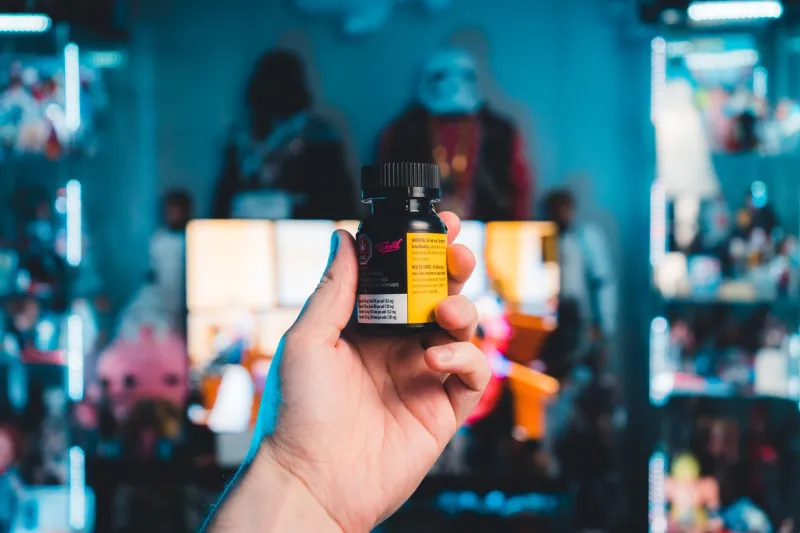
Supplement labels are built to sell. The front is a billboard; the back is where the actual information lives. And one phrase on the back should make you slow down: 'proprietary blend.' It sounds like a secret recipe. Often, it is a way to list ingredients without telling you how much of each one you are getting. If you are trying to compare a product with actual human research, that is a problem.
Why 'proprietary blend' is a red flag
In the US, dietary supplements do not go through the same pre-market approval process as prescription drugs. The FDA can act after a product is on the market, but it does not approve labels or verify doses before a bottle hits the shelf. That puts more of the homework on you.
A proprietary blend can legally show a total amount — say, 500 milligrams — and then list ten ingredients underneath it. Maybe the first ingredient has a studied dose. Maybe all ten are sprinkled in at trace amounts. You cannot tell from the label. If you cannot tell, you cannot know whether the product matches the evidence you heard about. That does not automatically make it dangerous. It makes it unverifiable, which is often reason enough to put it back.
The 60-second label check
Standing in the aisle, run these three questions.
1. Are the doses listed for every active ingredient? Flip to the Supplement Facts panel. If each active ingredient has a specific milligram or microgram amount, that is a good start. If the amounts are hidden inside a proprietary blend, be skeptical. Some brands disclose doses on their website, but the bottle should be able to stand on its own.
2. Does the dose line up with human research? This is where vague blends fail immediately. If a blend hides the dose, you cannot compare it with studies. For single ingredients, look for amounts in the range used in human trials — not a tiny pinch and not a mega-dose just because more sounds impressive. You do not need a pharmacology degree to notice when a label says 10 milligrams of something that studies typically use at 300 milligrams.
3. Is the claim modest and legal? Supplement labels can make structure or function claims, like 'supports sleep' or 'helps maintain healthy bones.' Those claims are not proof that the product works. Claims to treat, cure, or prevent a disease are not allowed for supplements. If a bottle promises to 'detox' your liver, 'boost' your immune system into overdrive, or 'melt' fat, treat that as marketing, not medicine.
Underdosed ingredients and oversized claims
Underdosing is common because it is cheap. A label can include a trendy ingredient for bragging rights while the amount is too small to matter. Proprietary blends make this easier to hide. The same goes for products with a long list of ingredients aimed at one goal. If a sleep supplement contains fifteen botanicals plus melatonin plus magnesium, ask yourself which ingredient is doing the work and whether any of them are present at a meaningful dose.
Marketing claims also tend to outrun the science. A small study in twenty people is not a guarantee for you. A test-tube result is not a human result. And a flashy certificate on the website is not the same as an independent quality seal on the bottle. None of this means supplements are useless. It means the label has to earn your trust.
When a supplement might be worth considering
There are legitimate situations. A clinician may recommend a specific supplement for a diagnosed deficiency, such as vitamin D or B12. Folic acid is recommended for many people who are pregnant or planning pregnancy. Some people need iron under medical supervision. In those cases, the useful product is usually a single ingredient with a clear dose, a reason behind it, and a plan to check whether it is helping.
Third-party testing can add confidence about quality. Seals such as NSF Certified for Sport or USP Verified mean an independent organization has checked certain manufacturing and purity standards. They do not prove the product works for your goal, but they are better than nothing. Also check the servings per container. A bottle that looks affordable may contain only ten servings, which changes the math.
When the label alone says put it back
Put it back if the active ingredients are buried in a proprietary blend with no individual doses. Put it back if the claims sound like a prescription drug commercial. Put it back if the product is a stimulant-heavy 'energy' blend and you have heart problems, high blood pressure, or take medications that interact with stimulants. Put it back if you cannot find a manufacturer or contact information. And put it back if you are using it to replace a conversation with a clinician about a symptom that has been hanging around.
The bottom line
You do not need to memorize every ingredient to shop smarter. You need to spot the labels that refuse to give you the information. 'Proprietary blend' is often a sign that the manufacturer wants credit for the ingredient list without the accountability of the dose. In the supplement aisle, that is not a secret formula. It is a reason to keep walking.