Front-of-Package Fiction: Three Numbers That Beat the Word 'Natural'
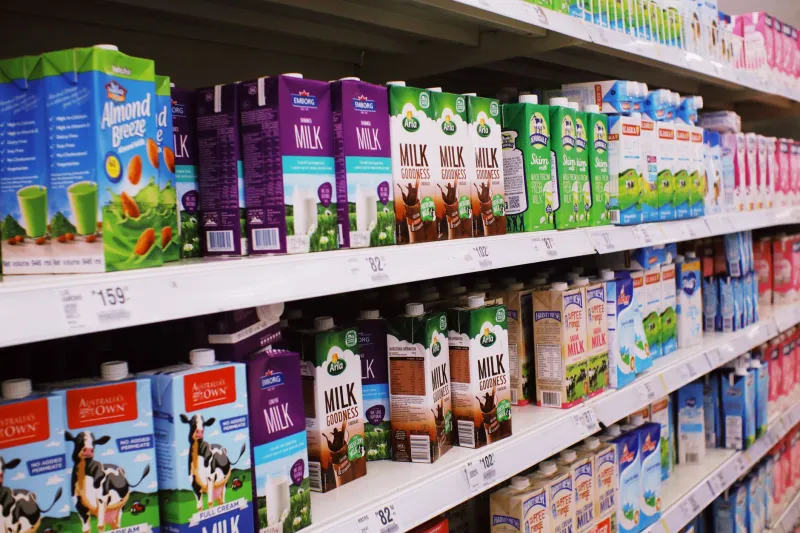
Walk down any aisle in a US grocery store and you'll see the same vocabulary recycled across hundreds of packages: natural, clean, wholesome, real ingredients, plant-based, made with simple stuff. It's designed to make you feel like the decision is already made for you.
The trouble is that "natural" is a marketing word far more than it's a regulated nutritional standard. It doesn't cap sugar. It doesn't limit sodium. It doesn't guarantee fiber. A product can wear the word proudly and still be, nutritionally speaking, a candy bar in a beige wrapper.
So here's a more useful approach. Flip the package over and read three numbers before you read anything else on the front.
Number one: added sugar, in grams
Added sugar is the line item that most often embarrasses products with friendly front-of-package language. The label separates naturally occurring sugar (from fruit or dairy, for instance) from sugar that was put in during manufacturing, so look specifically for "Includes Xg Added Sugars."
A quick conversion helps: 4 grams of added sugar equals about 1 teaspoon. The Daily Value reference used on US labels is 50 grams of added sugar for a 2,000-calorie diet, which is roughly 12.5 teaspoons — not a target, just an upper reference point.
Where this gets interesting in practice:
- A jar of pasta sauce labeled "all natural" and "no artificial anything" might carry 6 grams of added sugar per half-cup. That's a teaspoon and a half of sugar in your dinner before you've added anything else.
- A "natural" granola with 12 grams of added sugar per two-thirds of a cup is doing more dessert duty than breakfast duty.
- Flavored yogurt can swing from 4 grams to 20 grams of added sugar per cup depending on the brand — same dairy aisle, wildly different products.
None of these are forbidden. But you should be the one deciding whether that sugar is worth it, not the label designer.
Number two: sodium, in milligrams
Sodium is the quiet one. It rarely shows up in front-of-package claims, and most people are surprised by how fast it adds up across a day of packaged food.
The label reference point is 2,300 mg per day for most adults. A useful shopping heuristic: anything over 500 mg per serving is worth a second look, and 600 mg or more per serving is genuinely salty.
Realistic examples from a typical cart:
- Canned chicken noodle soup: frequently 700–900 mg per cup. A can is often two servings, which means the whole can could land near 1,600 mg.
- "Natural" deli turkey: often 400–600 mg per two ounces — and two ounces is a thin sandwich's worth.
- A jar of marinara: anywhere from 300 mg to 700 mg per half-cup. Comparing two jars side by side takes eight seconds and can cut your dinner sodium nearly in half.
Here's the honest caveat: sodium numbers aren't a verdict on whether a food is "good." Someone sweating through a summer run or managing a medical condition has different needs. The point is knowing the number instead of guessing at it.
Number three: fiber and protein, in grams
This is the pair that tells you whether a food will actually hold you until your next meal. Highly processed snack foods tend to be low on both — which is part of why a 200-calorie bag of something can leave you hunting the pantry forty minutes later.
Rough benchmarks worth remembering, per serving:
- 3 grams of fiber or more is a decent contribution, especially from a whole-food source.
- 5 to 6 grams of protein or more is meaningful for a snack; 15 to 20 grams is a solid protein anchor for a meal component.
- A useful comparison: plain Greek yogurt often delivers 15–20 grams of protein per cup. A "natural" fruit-on-the-bottom cup from the same shelf may deliver 5.
One thing the numbers don't reveal: whether the fiber is naturally occurring or added in (chicory root, inulin). Added fiber isn't useless, but whole-food fiber comes packaged with a lot of other things your gut likes. If the ingredient list includes three separate fiber additives, treat the gram count with a little skepticism.
What labels still won't tell you
Three numbers won't capture saturated fat, ultra-processing, or whether the serving size is realistic (looking at you, "about 2.5 servings per container" on a bottle most people finish in one sitting). They also won't tell you how a food fits into your particular week.
What they will do is interrupt the front-of-package spell. Claims are written by marketers. The nutrition panel is written by a regulated format. That's an asymmetry worth exploiting.
A ten-second checkout checklist
Keep this on your phone if it helps:
- Scan the added sugar line. Over 10 grams per serving? Decide deliberately.
- Check sodium. Over 500 mg per serving? Compare with a neighboring brand before committing.
- Look at fiber and protein together. Under 1 gram of each for a snack? Expect to be hungry soon anyway.
- Glance at the serving count. If a "single" package holds two or three servings, multiply the numbers.
- Only then read the front. By now you'll read "wholesome" a little differently.
The goal isn't a cart full of ascetic choices. It's being the person making the call instead of the package making it for you. Ten seconds, three numbers, zero marketing degrees required.