The Front-Shelf Rule: Ten Minutes to Make the Better Snack the Easy Snack
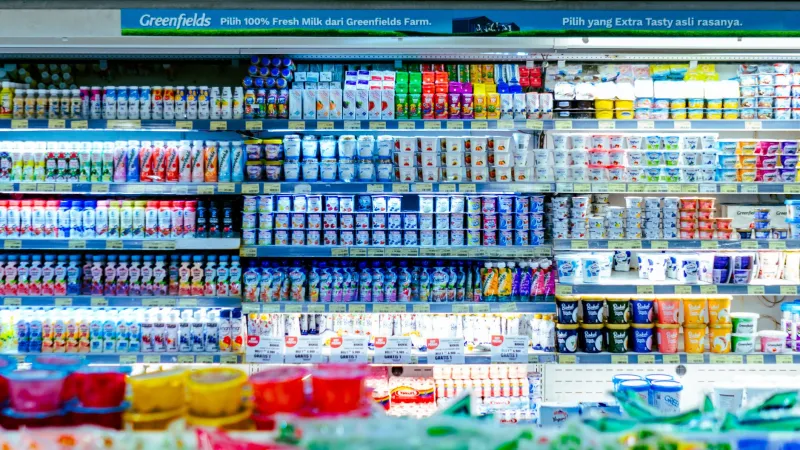
Most snack decisions are not really decisions. You open the fridge, scan, grab. You open the pantry, scan, grab. By the time you’re hungry and rushing between meetings or holiday errands, the food that wins is usually the food that is easiest to see and easiest to reach.
That is not a character flaw. It is how humans are wired. We tend to choose what is visible, convenient, and ready to eat. So instead of treating willpower like a muscle that needs more reps, try changing the setup. A 10-minute fridge and pantry reset can make the better snack the automatic snack, without calorie counting or a single lecture about discipline.
Why visibility matters more than you think
Behavioral research on food environments has repeatedly found that placement and convenience influence what people choose. Studies of cafeteria lines, vending machines, and home kitchens point to the same basic idea: when a food is more visible and easier to grab, people tend to eat more of it. When it takes an extra step or two to reach, they tend to eat less.
That cuts both ways. If the leftover holiday cookies are on the counter in a clear container, they get eaten. If the Greek yogurt and cut vegetables are front and center at eye level, they get eaten too. The goal is not to hide every treat forever. It is to make the default option a little better while keeping treats available enough that you do not feel deprived.
Protein and fiber deserve the front row because they tend to be more satisfying. A snack with protein and fiber, like yogurt with berries or hummus with carrots, is more likely to hold you until the next meal than a handful of crackers. That matters during busy weekdays and the snack-heavy stretch from Thanksgiving through New Year’s, when random platters and candy bowls seem to appear out of nowhere.
The 10-minute reset
Set a timer. You are not reorganizing the whole kitchen. You are making a few high-impact swaps.
1. Claim one eye-level shelf
Clear the shelf at eye level in your fridge. This is prime real estate. Put ready-to-eat protein and fiber foods there: Greek yogurt cups, cottage cheese, hard-boiled eggs, edamame, cut vegetables, hummus, leftover chicken, or washed fruit. If it needs to be cooked or assembled before it becomes a snack, it is less likely to win at 3 p.m.
Keep the foods you actually like. A shelf full of foods you bought because they seemed virtuous is a shelf you will ignore. This is about defaults, not punishment.
2. Use the door for fast grabs
The fridge door is high-visibility, low-friction space. Use it for things you want to reach quickly: string cheese, individual yogurt drinks, salsa, or a small container of dip. The door is also a good place for a water bottle or sparkling water if you are trying to sip more during the day.
3. Give treats a little friction, not a fortress
You do not need to lock the cookies in a safe. Just make them slightly less convenient. Put sweets in an opaque container on a higher shelf or in the back of the pantry. Move chips into a closed bin instead of leaving the bag on the counter. The extra five seconds of effort is often enough to interrupt the autopilot reach.
This is not about banning treats. It is about making them a choice instead of the path of least resistance.
4. Reset the counter
The counter is the billboard of your kitchen. If it holds a bowl of candy, a bag of chips, and a stack of cookies, that is what your brain sees first. Swap in a fruit bowl, a container of nuts, or a plate of cut veggies. Keep one treat visible if you want, but make it a deliberate one rather than a constant advertisement.
5. Add a snack bin
In the pantry, corral the better-for-you grab-and-go items into one bin: trail mix packs, roasted chickpeas, tuna pouches, whole-grain crackers, or nut butter packets. Put that bin at eye level. Put the less helpful snacks in a different bin or on a higher shelf. The point is simple: when you open the door, the first thing you see should be something you will feel good about eating.
What this is not
This is not a calorie-counting plan. It is not a clean-out-your-kitchen challenge. And it is not a claim that one fridge shelf will change your entire diet.
It is a small environmental nudge. Research on habits suggests that making a behavior easier and more obvious can help it become more automatic over time. The same principle works for snacks. You are not relying on motivation at the exact moment you are tired and hungry. You are setting up your future self to have an easier choice.
A realistic holiday test
The holiday season is a good stress test. There will be fudge. There will be cheese boards. There will be a platter of something wrapped in bacon. That is fine. The front-shelf rule just means that when you open your own fridge on a random Tuesday, the yogurt and carrots are the first things you see.
You do not have to be perfect. You just have to make the better snack a little easier to grab than the alternative. Ten minutes today can quietly tilt a lot of future snack decisions in a better direction.