The Bathroom Fan Has a Second Shift: A Winter Moisture Habit
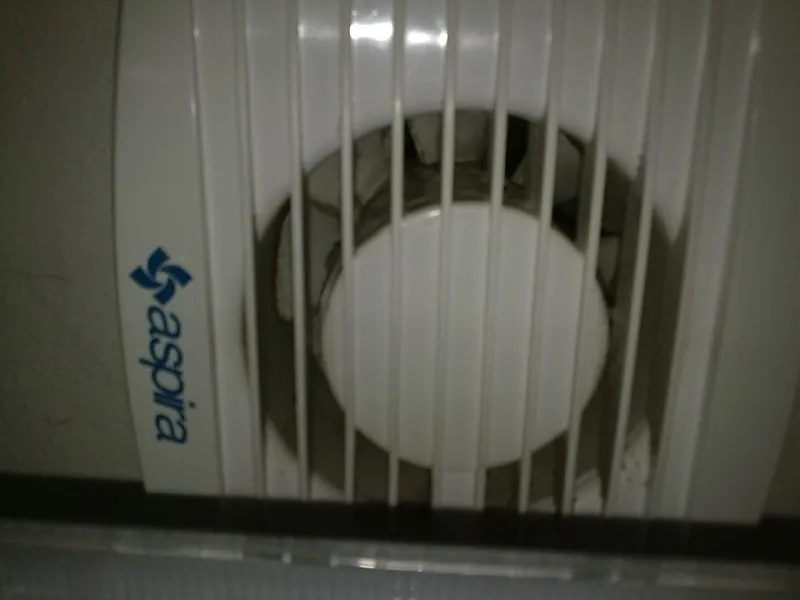
Photo: Antonio Mette, CC BY 3.0, via Wikimedia Commons
The Fan Is Not a Shower Accessory
On a cold morning, a hot shower feels like a small luxury. The bathroom turns steamy, the mirror fogs, and you reach for the fan switch the way you reach for a towel. Then you flip it off on the way out. Habit done, right?
Not quite. In winter, the fan is less of a shower accessory and more of a moisture-removal system. The shower may be over in ten minutes, but the water you just turned into steam is still in the room. It is on the mirror, in the grout, on the shower curtain, and in the air. If the house is buttoned up against the cold, that moisture has nowhere to go but into the walls, the paint, and the next person's lungs.
The fix is almost embarrassingly small: let the fan keep running after you leave the bathroom. Not for two minutes. For about twenty. Think of it as the fan's second shift.
Why Winter Homes Hold Onto Shower Steam
Summer has built-in ventilation. Windows open. Doors stay open. Dry outdoor air sneaks in. Winter is the opposite. We seal gaps, close windows, and run the heat. That is good for the heating bill, but it means indoor moisture has fewer escape routes.
Bathrooms are moisture factories. A warm shower can add a surprising amount of water vapor to the air, and every cool surface in the room becomes a place for that vapor to condense. The fogged mirror is the obvious clue. The less obvious ones are damp grout, a clammy shower curtain, peeling paint near the ceiling, and that faint musty smell you notice when you walk in after work.
Mold does not need a flood. It needs moisture, organic material, and time. A bathroom that stays humid for hours after every shower is giving it all three. The goal is not to make the bathroom bone-dry. The goal is to move the wet air out before it settles in.
The Tissue Test: Is Your Fan Actually Moving Air?
Before you build a routine around your fan, make sure the fan is doing its job. A fan can hum loudly and still move almost no air. Here is a quick check you can do with a piece of toilet paper or a tissue.
Turn the fan on. Hold the tissue near the grille, but not pressed flat against it. If the fan is pulling air, the tissue should cling or flutter toward the grille. If it droops, falls away, or barely moves, you have a problem. It could be a clogged grille, a blocked duct, a weak motor, or a fan that was never sized for the room.
Do this test when the bathroom is dry, then again after a shower. The difference is useful information. If the tissue sticks after a shower but not before, the fan is working against a lot of moisture and may need more run time. If it never sticks, the fan is mostly decoration.
The 20-Minute Timer Routine
You do not need to stand in the bathroom watching a clock. You need a timer you will actually use. A simple kitchen timer, a phone timer, or a smart switch all work. The point is to separate the fan from the shower.
Here is the routine:
- Turn the fan on before you start the shower. Give it a head start so it is already moving air when the steam arrives.
- Leave it on while you shower, dry off, and get dressed.
- When you leave the bathroom, set a timer for 20 minutes. Let the fan run while you make coffee, check email, or brush your teeth at the other sink.
- When the timer goes off, turn the fan off. If the mirror is still heavily fogged or the room feels damp, give it another 10 minutes.
The exact number is not sacred. Twenty minutes is a practical target for many homes, especially in winter. A smaller bathroom may clear faster. A larger bathroom, a long shower, or a house with tight ventilation may need longer. The habit matters more than the stopwatch.
What This Buys You: Paint, Lungs, Sleep
Running the fan longer is not just about avoiding mold. It protects the room. Moisture is hard on paint, caulk, and drywall. It can cause peeling, bubbling, and those little dark specks in the caulk line that never seem to come back clean. Keeping the bathroom drier is cheaper than repainting it.
It also helps the air you breathe. Mold spores and dampness can bother people with allergies or asthma, and a humid bathroom can make the whole nearby hallway feel stuffy. You are not sterilizing the room. You are giving moisture a way out.
And yes, it can help sleep. If your bathroom shares a wall with your bedroom, or if your bedroom has its own bathroom, a damp room can push humidity into the space where you are trying to wind down. A drier bathroom at bedtime is one less thing working against a comfortable night.
Maintenance Makes the Habit Work
A twenty-minute routine only helps if the fan can move air. Once or twice a year, take the grille off and vacuum it. Dust and lint build up fast, especially in homes with pets. Check that the flap on the outside vent opens when the fan runs and closes when it stops. If the flap stays stuck or the duct is crushed, the fan is pushing against a wall.
You can also use a cheap humidity gauge. EPA guidance generally points to keeping indoor humidity around 30 to 50 percent. If your bathroom stays above that long after a shower, the fan or your routine needs attention. This is not a mold remediation plan. If you already see widespread mold or smell a persistent musty odor, treat it as a bigger project.
The Tiny Habit Part
The beauty of this habit is that it asks almost nothing of you. You already turn the fan on. You already leave the bathroom. The only change is letting the fan stay on for a while after you are gone. In a winter house with closed windows and dry heat, that extra twenty minutes is a small, cheap way to tell moisture to keep moving. Your paint, your lungs, and your sleep can all benefit from a fan that gets a second shift.