The Window-Seat Effect: A Midday Light Routine for Better Winter Sleep
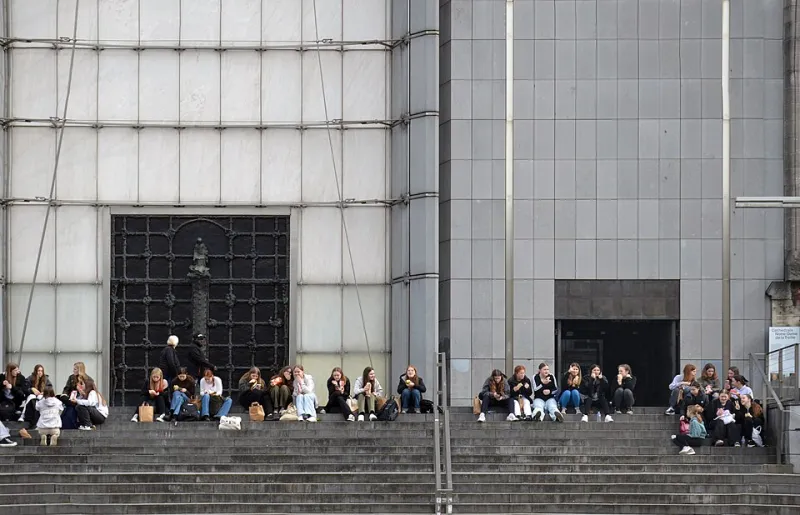
Photo: DimiTalen, CC0, via Wikimedia Commons
By mid-November, the sun starts acting like it has somewhere else to be. In much of the U.S., sunset arrives before 5 p.m., the morning commute happens in twilight, and the brightest hours of the day are spent under office fluorescents. That is a rough combination for the body clock—and for sleep.
Here is a small countermove that costs nothing and fits inside a lunch break: eat near the brightest window you can find, then take ten minutes of daylight if the weather allows. Think of it as a midday light reset. Not a wellness overhaul. Not a supplement. Just a cue that tells your brain it is still daytime.
Why Midday Light Matters in Winter
Your circadian rhythm—the internal 24-hour clock that shapes sleepiness, alertness, and hormone release—takes its cues mostly from light. The eyes have a special set of light-sensitive cells that report brightness to the brain. They are especially responsive to light in the blue part of the spectrum, which is plentiful outdoors even when the sky looks gray.
In summer, morning light is easy to get. In winter, many people leave for work before sunrise and come home after sunset. The light window shrinks to a few hours in the middle of the day. If those hours are spent in dim rooms, the brain gets a weaker daytime signal and a stronger evening signal from lamps, screens, and overhead lights. That can make it harder to feel sleepy at the right time—or harder to wake up when the alarm goes off.
Midday light helps anchor the clock. It is not the same as morning light, which is often called the strongest synchronizer, but it is a useful second anchor when mornings are dark. Research on circadian rhythms suggests that bright light exposure during the day can help stabilize sleep timing, especially in people whose schedules are misaligned with the season.
The Window-Seat Lunch: A Ten-Minute Routine
This is less complicated than it sounds. You do not need special gear, an app, or a light box. You need a table near glass and a reason to go outside for ten minutes.
1. Pick the brightest table you can
At home, that might be the kitchen table by the south-facing window. At work, it might be the break room with the big windows, a lobby seating area, or even a parked car with the sunroof open—though the office window is probably better. Pull up the blinds. Move the stack of mail. Sit facing the light, not with your back to it.
A window does filter some light, and indoor brightness is not the same as being outdoors. But a spot near a sunny window can be several times brighter than a cubicle under fluorescent tubes. On a clear winter day, that difference is worth taking.
2. Eat without sunglasses
Indoor sunglasses are rare, but some people wear them on the commute and forget to take them off. If you are inside and trying to catch light, take them off. If you have a medical reason to wear them—recent eye surgery, light sensitivity, certain medications—follow your doctor's advice. Do not stare at the sun. You are not sunbathing your eyeballs; you are letting ambient light reach your eyes.
3. Take the ten-minute walk if conditions allow
After lunch, step outside. A short walk around the block, across campus, or to the far end of the parking lot counts. The light outdoors on an overcast day is still much brighter than most indoor lighting. That is the key point: cloudy does not mean useless.
Dress for the cold. A hat, gloves, and a warm coat make a ten-minute walk in January feel normal instead of heroic. Skip sunglasses unless you need them for glare or medical reasons. If the sidewalk is icy, stay on cleared paths or stand by a window instead. Safety beats the perfect routine.
4. Keep the habit on gray days
The temptation is to skip the walk when the sky is flat and white. But gray winter days are exactly when the habit matters. You may not get the mood boost of blue sky, but you still get a brighter daytime signal than your desk lamp provides.
5. Repeat it most days
Consistency is the point. A single lunch by the window is not a sleep cure. A weekday habit—say, five days a week for a few weeks—gives the body clock a repeated cue. Think of it like brushing your teeth for your circadian rhythm: boring, brief, and effective.
What This Won't Do
This is not a treatment for insomnia, seasonal affective disorder, or shift-work sleep disorder. It is a low-risk habit that supports a healthy sleep schedule. If you have persistent trouble sleeping, talk to a clinician. If you use a light box for seasonal mood changes, follow the instructions that came with it rather than replacing it with a window.
Also, do not use this as an excuse to skimp on sleep. Light helps set the timing of sleep, but it does not replace enough hours in bed. The lunchtime light habit works best alongside a consistent bedtime, a dark bedroom, and a reasonable cut-off for caffeine.
A Small Winter Experiment
For the next week, try this: eat lunch by the brightest window you can find, then take ten minutes outside if it is safe and you are dressed for it. Keep your sunglasses in your bag. Notice whether you feel more alert in the afternoon. Notice whether falling asleep feels any different.
You are not chasing a miracle. You are giving your body a clear midday signal in a season that makes daylight scarce. In winter, that is a small, sensible health hack—one that fits right next to your sandwich.