The Pre-Dessert Loop: A Ten-Minute Holiday Walk With a Social Alibi
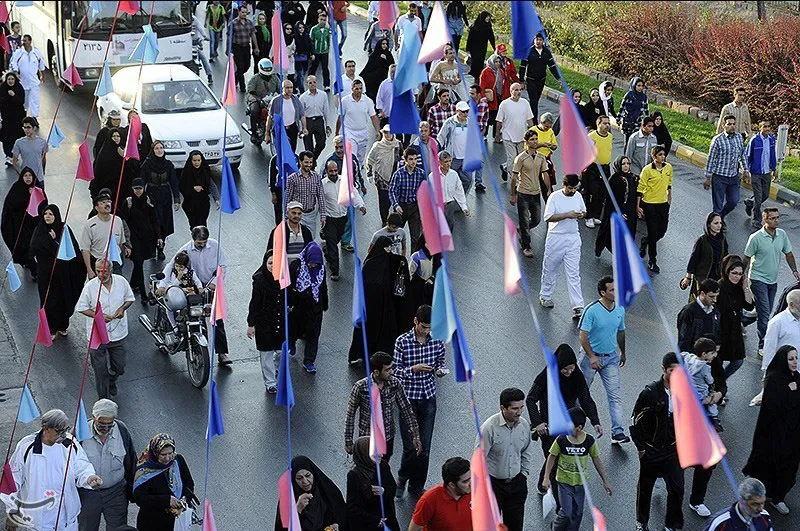
Photo: Mehdi Ghorbani, CC BY 4.0, via Wikimedia Commons
The food coma is real, but it's not a verdict
You know the moment. The plates are cleared, the gravy has settled, and suddenly the couch looks like the only piece of furniture in America. That heavy, foggy feeling after a big holiday meal is not a character flaw. It's a mix of blood sugar swings, a full stomach, alcohol for some, and the simple fact that a large meal asks your body to do a lot of work at once.
Here's the useful part: a short, easy walk after eating can take the edge off that fog. It doesn't have to be a workout. It doesn't have to be long. And it definitely doesn't have to feel like a wellness lecture at the dinner table.
The trick is timing and framing. Aim for about ten minutes of walking within fifteen minutes or so of finishing the meal. Then give it a social cover story so nobody feels like they're being assigned homework.
What the evidence actually says
Post-meal walking has been studied a lot, and the findings are consistent enough to be boring in the best way. Light activity after a meal helps your muscles pull glucose out of your bloodstream, which can mean a gentler rise and fall in blood sugar compared with sitting still. A 2022 meta-analysis found that even short bouts of walking after meals were linked to lower post-meal glucose levels. You'll also see small studies showing that a ten-to-fifteen-minute walk can improve how full and alert people feel afterward.
This is not a cure for anything, and it's not a reason to skip dessert or micromanage your plate. It's just a small lever. Think of it as giving your body a gentle assist while it handles the mashed potatoes.
Why 'let's all go for a walk' usually fails
In real life, the direct approach often lands like a chore. Someone is cold. Someone is full. Someone is already in the recliner with a second slice of pie. The house might be small, the neighborhood might be icy, and the dog might be the only enthusiastic participant.
So don't announce a wellness initiative. Use a social alibi.
The most reliable alibi I've found is the dog. Even if you don't have one, someone at the table probably does, or there's a neighbor's dog who would be thrilled. 'I'm taking the dog out before dessert—anyone want to come?' is a completely normal sentence. It gives people an exit ramp from the table without making the walk the point.
If there's no dog, borrow a chore. 'I'm running the trash out, then doing a loop around the block' works. So does 'I'm going to check the mail' or 'I need to walk off that second roll.' The goal is to make leaving the table feel like a small, ordinary errand rather than a group fitness event.
The table-exit script
Here's a script that tends to work in real holiday chaos:
- Stand up first. Don't ask permission. Push your chair in and say, 'I'm going to take a quick loop before pie.'
- Invite, don't recruit. 'Who wants to join? No pressure—I'll be back in ten.' This gives the extroverts a way in and the recliner crowd a way out.
- Set a tiny destination. 'I'm just going to the corner and back' is more appealing than 'let's walk for ten minutes.' A destination feels finite.
- Bring the dog, the trash, or the kids. Any of these turns the walk into a task with a built-in reason.
Most people won't come. That's fine. One or two will, and the ones who stay behind won't feel judged. The walk still counts.
Cold weather, small homes, and reluctant relatives
If it's freezing, dress for the first minute, not the whole walk. A coat, hat, and gloves are enough for a ten-minute loop in most US winter weather. If the sidewalk is icy, skip it. Walk the perimeter of a mall, a big-box store, or a grocery store aisle. If you're in an apartment, walk the hallway, take the stairs once, or do laps from the kitchen to the front door while the kettle boils.
The small-home problem is mostly a framing problem. You don't need a track. You need a path. 'I'm going to take the stairs a couple of times before dessert' sounds strange, but 'I'm going to grab the good napkins from the car' does not. Pair the movement with a small errand and nobody will blink.
For reluctant relatives, lower the bar. Say 'two minutes' and mean it. A two-minute walk is still a walk. If someone comes along and turns back early, that's a win. The habit is the point, not the distance.
Make it a ritual, not a resolution
The holiday season is already full of rituals. The walk can become one of them: the pre-dessert loop, the trash-and-mail march, the dog's big moment. It doesn't need a tracker, a step goal, or a group chat. It just needs to be easy enough to repeat.
And if you miss it? The pie is still there. The couch is still there. You can take the loop after dessert, or tomorrow. Small habits work because they're small, not because they're perfect.